
Understanding Glass Products: Versatility and Applications
페이지 정보
작성자 Francisca 작성일 26-07-09 09:35 조회 14 댓글 0본문
Glass products are a diverse category of materials made primarily from silica, commonly known as sand, which is melted and formed into various shapes. These products are integral to many aspects of daily life, ranging from household items to advanced technological applications. Exploring the world of glass reveals its unique properties and the broad range of uses that make it indispensable.
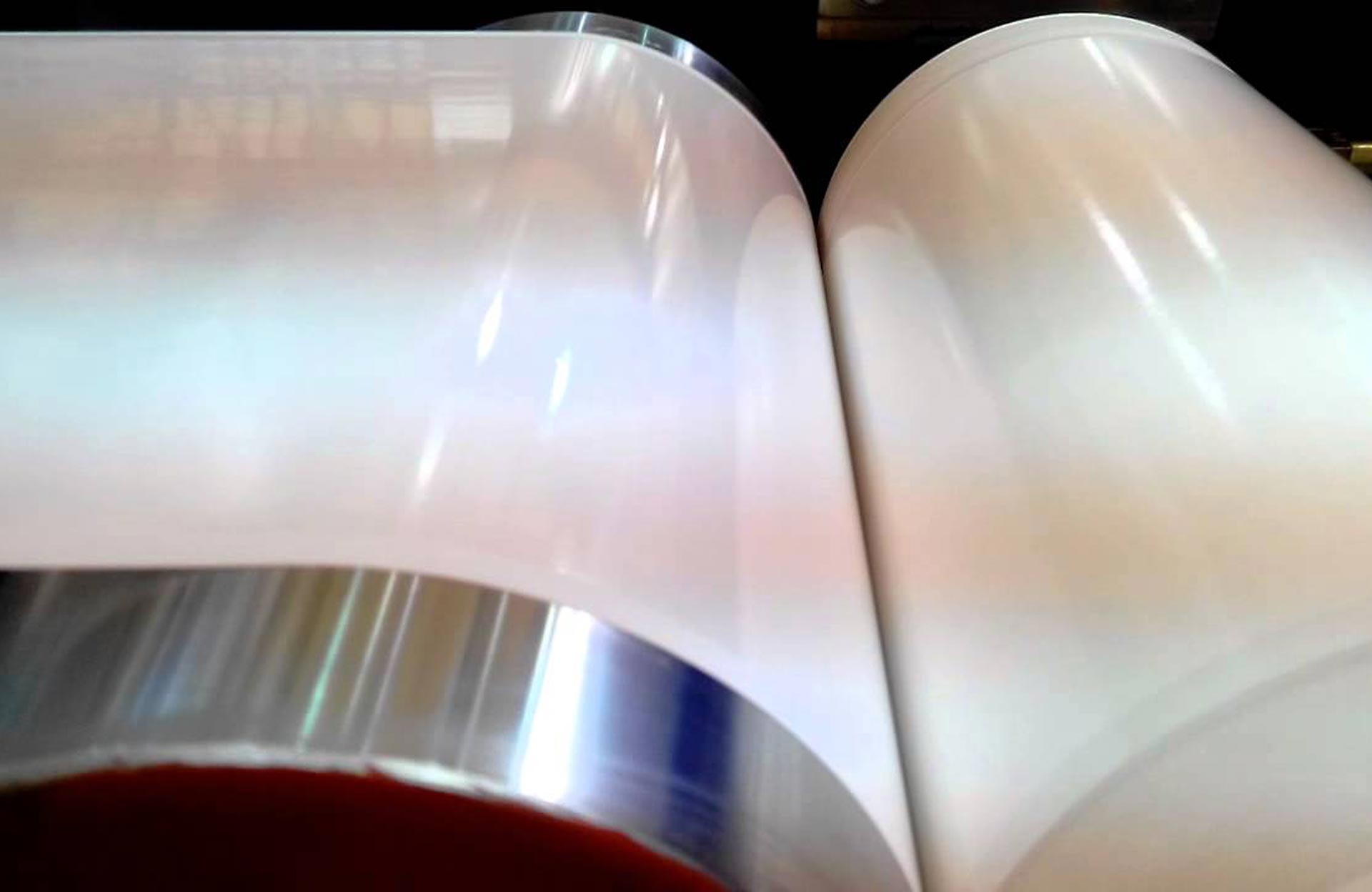 Key Characteristics and Manufacturing
Glass is valued for its transparency, durability, and resistance to chemicals, making it ideal for containers, windows, and decorative objects. In case you have almost any questions regarding wherever and the way to make use of glass products examples, you can contact us in our own site. The manufacturing process involves melting raw materials at high temperatures, then shaping the molten glass through methods such as blowing, pressing, or casting. Different additives can alter glass properties, resulting in specialized products like tempered glass, which is stronger and safer, or stained glass, known for its vibrant colors.
Common Types and Uses
Flat Glass: Used in windows, mirrors, and automotive windshields, providing clarity and protection.
Container Glass: Bottles and jars for food and beverages, prized for being non-reactive and recyclable.
Fiberglass: A composite material made from fine glass fibers, widely used for insulation and reinforcement.
Optical Glass: Designed for lenses and instruments, offering precise light transmission.
Besides these, glass finds roles in art, architecture, electronics, and even in medical equipment due to its versatility and functional qualities.
Key Characteristics and ManufacturingGlass is valued for its transparency, durability, and resistance to chemicals, making it ideal for containers, windows, and decorative objects. In case you have almost any questions regarding wherever and the way to make use of glass products examples, you can contact us in our own site. The manufacturing process involves melting raw materials at high temperatures, then shaping the molten glass through methods such as blowing, pressing, or casting. Different additives can alter glass properties, resulting in specialized products like tempered glass, which is stronger and safer, or stained glass, known for its vibrant colors.
Common Types and Uses
Flat Glass: Used in windows, mirrors, and automotive windshields, providing clarity and protection.
Container Glass: Bottles and jars for food and beverages, prized for being non-reactive and recyclable.
Fiberglass: A composite material made from fine glass fibers, widely used for insulation and reinforcement.
Optical Glass: Designed for lenses and instruments, offering precise light transmission.
Besides these, glass finds roles in art, architecture, electronics, and even in medical equipment due to its versatility and functional qualities.
- 이전글 Why Math Tuition Can Transform Your Kid’s Future
- 다음글 What's The Job Market For Crypto Casino Professionals?
댓글목록 0
등록된 댓글이 없습니다.