
The Evolving Landscape of the Construction Company: Challenges, Innova…
페이지 정보

본문
The Evolving Landscape of the Construction Company: Challenges, Innovations, and Future Trajectories
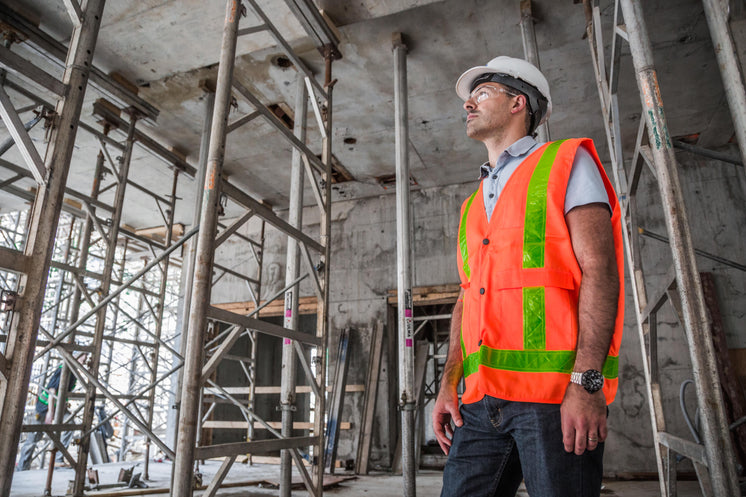
The construction industry, a cornerstone of global economic development, is undergoing a period of significant transformation. At the heart of this evolution lies the construction company, a complex entity grappling with multifaceted challenges while simultaneously embracing innovative technologies and methodologies. This article explores the current state of the construction company, examining the pressures it faces, the advancements it is adopting, and the potential trajectories that will shape its future.
Challenges in the Modern Construction Landscape
Construction companies operate within a dynamic and often volatile environment. Several key challenges consistently impact their operations and profitability.
Economic Fluctuations: The construction industry is highly sensitive to economic cycles. Recessions and periods of economic uncertainty can lead to project delays, cancellations, and reduced investment, directly impacting a company's workload and revenue. Conversely, periods of rapid economic growth can strain resources, leading to material shortages, labor scarcity, and increased competition.
Labor Shortages and Skills Gaps: A persistent challenge is the shortage of skilled labor. An aging workforce, coupled with a lack of interest from younger generations in pursuing construction trades, has created significant skills gaps. This shortage can lead to project delays, increased labor costs, and a decline in the quality of workmanship. Furthermore, the rapid adoption of new technologies requires workers to possess new skill sets, exacerbating the skills gap.
Rising Material Costs and Supply Chain Disruptions: The cost of construction materials is subject to market volatility and global supply chain disruptions. Factors such as geopolitical events, natural disasters, and transportation bottlenecks can significantly impact material prices and availability, leading to project budget overruns and delays.
Regulatory Complexity and Compliance: Construction projects are subject to a complex web of regulations, including building codes, environmental regulations, and safety standards. Navigating these regulations can be time-consuming and costly, requiring companies to invest in specialized expertise and compliance procedures.
Project Management Complexity: Construction projects are inherently complex, involving numerous stakeholders, intricate schedules, and diverse tasks. Effective project management is crucial for ensuring projects are completed on time, within budget, and to the required quality standards. Poor project management can lead to cost overruns, delays, and disputes.
Sustainability Concerns: The construction industry is a significant contributor to greenhouse gas emissions and waste generation. Growing environmental awareness and stricter regulations are pushing construction companies to adopt more sustainable practices, including the use of green building materials, energy-efficient designs, and waste reduction strategies.
Innovations Driving Transformation
Despite these challenges, the construction industry is embracing a wave of innovations that are transforming how projects are planned, designed, and executed.
Building Information Modeling (BIM): BIM is a digital representation of a building's physical and functional characteristics. It allows architects, engineers, and contractors to collaborate more effectively, identify potential conflicts early in the design phase, and improve project coordination. BIM enhances efficiency, reduces errors, and minimizes rework.
Construction Automation and Robotics: Automation and robotics are increasingly being used to automate repetitive tasks, improve accuracy, and enhance worker safety. Examples include robotic bricklaying, automated welding, and drone-based site surveying. These technologies can significantly improve productivity and reduce labor costs.
3D Printing: 3D printing, or additive manufacturing, is being used to create building components and even entire structures. This technology offers the potential for faster construction times, reduced waste, and greater design flexibility.
Modular Construction: Modular construction involves prefabricating building components in a factory setting and then assembling them on-site. This approach can significantly reduce construction time, improve quality control, and minimize disruption to the surrounding environment.
Data Analytics and Artificial Intelligence (AI): Data analytics and AI are being used to optimize project planning, predict potential risks, and improve decision-making. AI-powered tools can analyze vast amounts of data to identify patterns, predict outcomes, and automate tasks.
Cloud-Based Collaboration Platforms: Cloud-based platforms facilitate seamless collaboration among project stakeholders, enabling real-time communication, document sharing, and project tracking. If you adored this article along with you would like to be given details about construction company portfolio generously check out the web page. These platforms improve efficiency and reduce the risk of errors.
Sustainable Building Materials and Practices: Construction companies are increasingly adopting sustainable building materials, such as recycled concrete, timber, and low-carbon cement. They are also implementing energy-efficient designs, water conservation measures, and waste reduction strategies to minimize their environmental impact.
Future Trajectories for the Construction Company
The construction company of the future will likely be significantly different from its current iteration. Several key trends will shape its evolution:
Increased Specialization: Construction companies will likely become more specialized, focusing on specific types of projects or adopting niche technologies. This specialization will allow them to develop expertise and gain a competitive advantage.
Greater Integration of Technology: Technology will play an increasingly central role in all aspects of construction, from design and planning to execution and maintenance. Companies that embrace technology will be better positioned to succeed.
Emphasis on Sustainability: Sustainability will become a core value for construction companies. They will be expected to adopt sustainable practices and use environmentally friendly materials.
Focus on Workforce Development: Addressing the labor shortage and skills gaps will be critical. Construction companies will need to invest in training and development programs to attract and retain skilled workers.
Enhanced Collaboration and Partnerships: Collaboration among stakeholders will become even more important. Construction companies will need to build strong relationships with architects, engineers, subcontractors, and suppliers.
Data-Driven Decision Making: Data analytics and AI will be used to make more informed decisions, optimize project performance, and improve efficiency.
Resilience and Adaptability: Construction companies will need to be resilient and adaptable to navigate the challenges of a dynamic and evolving industry. They will need to be able to respond quickly to changing market conditions, technological advancements, and regulatory requirements.
In conclusion, the construction company is at a pivotal juncture. By embracing innovation, addressing key challenges, and adapting to the evolving landscape, construction companies can position themselves for success in the future. The ability to leverage technology, prioritize sustainability, and cultivate a skilled workforce will be crucial for navigating the complexities of the modern construction industry and building a more sustainable and resilient built environment.
- 이전글Browsing the Critical Leap: Why Secondary 1 Math Tuition Sets the Foundation for Success in Singapore 25.12.06
- 다음글DORA Division Of Actual Property 25.12.06
댓글목록
등록된 댓글이 없습니다.